
How Smart Tech is Revolutionizing the Home Office in 2026
Upgrade your home office with 2026's smart home tech. Discover how circadian lighting, automated bandwidth allocation, and API integrations are boosting productivity.
The Automated Workspace
The shift to remote work fundamentally changed how we use our homes, but simply putting a desk in a spare room is no longer enough. In 2026, the modern home office has evolved into a hyper-connected, automated environment designed to maximize focus and streamline your daily workflow.
Whether you are running a product-based tech startup from your guest room or managing complex backend systems, the "dumb" home office is a thing of the past. Here is how smart home technology is redefining the ultimate workspace this year.
1. Circadian Lighting for Sustained Focus
Staring at a screen all day wreaks havoc on your natural energy levels. Smart bulbs have evolved far beyond basic dimming capabilities.
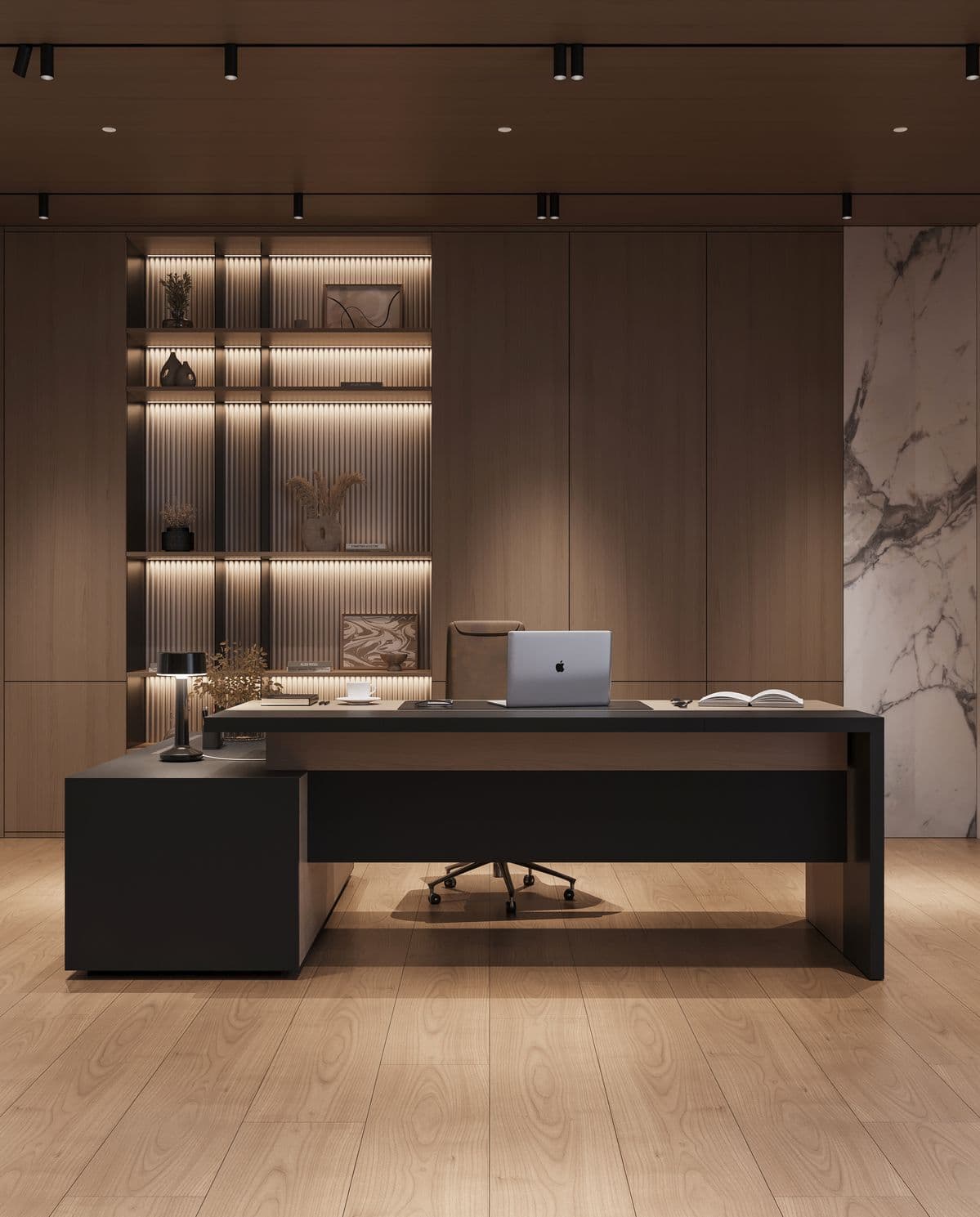
Today’s smart office lighting perfectly mimics natural sunlight shifts throughout the day. Your workspace can automatically boost your productivity at noon with crisp, energizing white light, and naturally transition to warm amber tones by the evening to help you wind down and protect your sleep cycle. This automated ambient shift reduces eye strain and keeps you focused during deep-work sessions.
2. Intelligent Bandwidth and Network Priorities
A smart home office requires a rock-solid network backbone. When you are juggling heavy digital tasks… like pushing massive code updates, managing virtual Docker containers, or backing up system archives to a 5 TB cloud storage drive… you cannot afford network lag.
Modern smart routers automatically recognize high-priority workstation devices. During your set working hours, the system intelligently allocates maximum bandwidth to your desktop or laptop, ensuring your data extraction scripts or video calls run flawlessly, even if someone else in the house is streaming 4K video.
3. API Integrations for the Ultimate Tech Space
The true power of the 2026 smart home lies in open APIs and system self-hosting. For those with a technical edge, the home office can directly interact with your digital workflow.
Instead of relying solely on out-of-the-box manufacturer features, enthusiasts are writing custom Python scripts to link their physical environment to their work. Imagine your office LED strips automatically flashing green when a complex Scrapy spider finish running successfully, or turning red if a server goes offline. The physical and digital workspaces are now seamlessly integrated.
4. Climate and Noise Isolation
Your focus is heavily dependent on your physical comfort. Smart home offices now feature localized climate control, ensuring your workspace remains at the exact optimal temperature without having to heat or cool the rest of the empty house.
Furthermore, smart acoustic panels and automated heavy blinds can trigger automatically during designated "focus hours" or when a calendar meeting begins, instantly dampening outside noise and preventing screen glare.
Building a Productive Ecosystem
Investing in a smart home office is a direct investment in your own efficiency. By automating your lighting, securing your network traffic, and seamlessly integrating your physical space with your digital projects, you remove daily friction. In 2026, your workspace shouldn't just be a place where you work… it should actively help you get the work done.